What is left of union strength?
We aren’t living in the 20th century anymore.

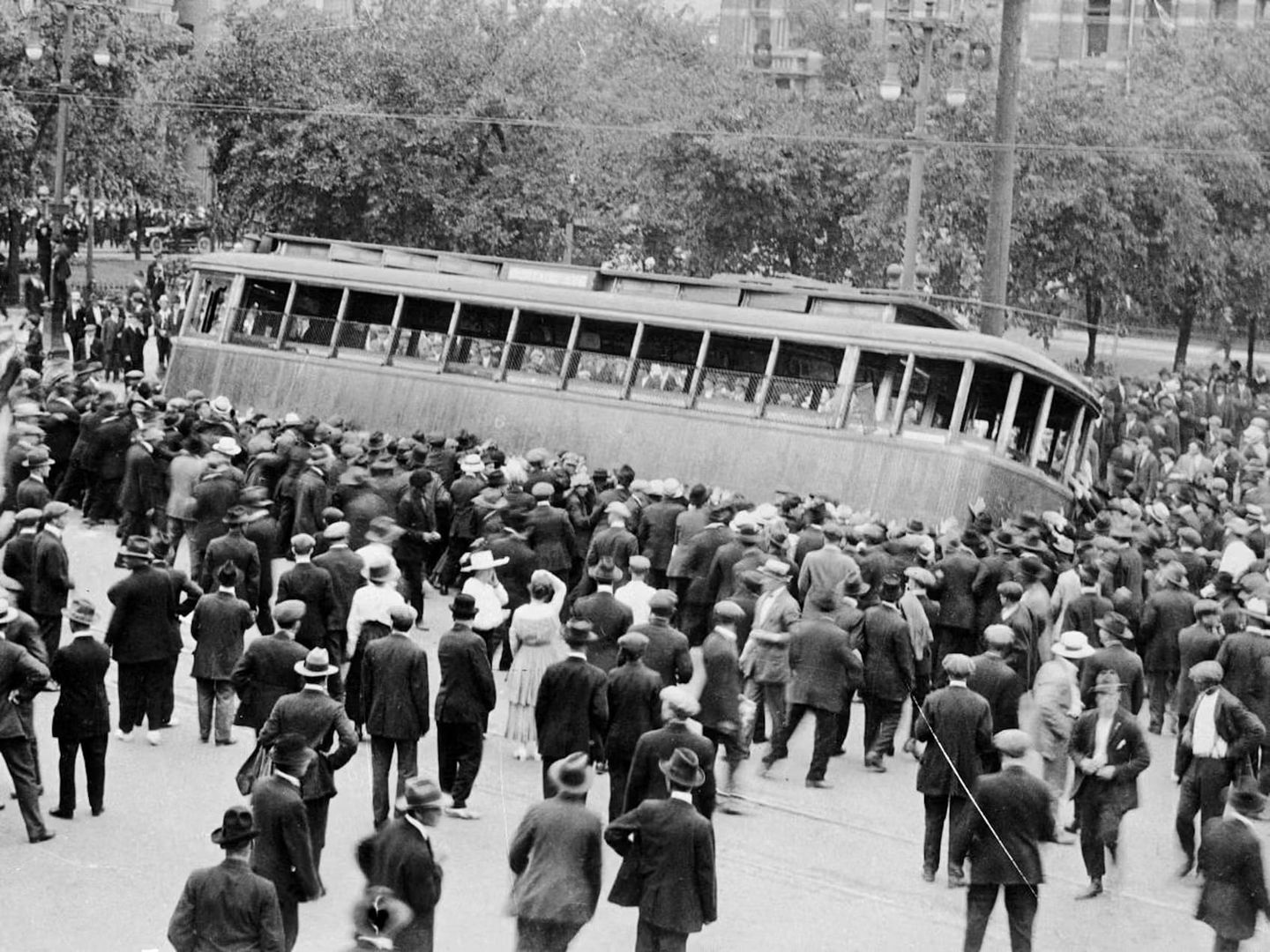
Are unions still able to change the nation?
They did that once in Winnipeg, the most significant strike that was ever held in Canada. It was the largest general strike in North American history. It permanently shaped the future of the nation and the power of unions in the country.
The Winnipeg General Strike is one of the greatest moments in Canadian history, and shows how Canada truly differentiated itself from the United States. Under the surface is a true, deep socialist root that has always existed. Because of Canada’s inheritance of the Westminster system from our British ancestry, the left has had a much larger place in the national conversation, with social democratic provincial and federal governments.
Manitobans were in a horrible state at the time of the strike— social inequity was rampant, and people weren’t being paid wages that matched their formidable output. Winnipeg had become one of the biggest up-and-coming cities of the era, and the labour movement in the city grew naturally as labourers migrated to the city for work. A large number of Eastern European immigrants had come to the city, bringing with them socialist ideas and a revolutionary ideology that was imported because of the 1917 Russian Revolution.
These ideas became codified in western labour meetings, and a vote on striking was held on May 1st, 1919. In a vote of 8,667 to 645, they voted in favour. The unions called for every major industry to stop, and the labourers across the city gathered to stand up against their working conditions.
30,000 people walked off the job.