Anatomy of a Revolution
Louis Riel, the last prophet of Canada and the revolutions he inspires

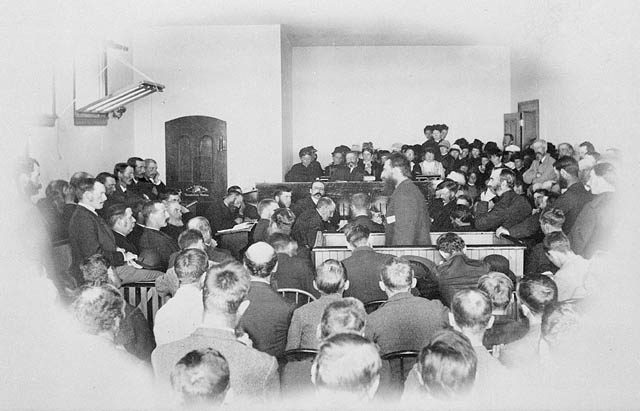
There has been one attempt at revolution in Canada. It ended with the head of Louis Riel.
We biked through Manitoba, through the plains where the buffalo were driven nearly to extinction, and where I, as a history buff, spent my time thinking about the history of Louis Riel’s resistance.
Perhaps the most well known Canadian outside of John A. Macdonald and Pierre Trudeau, Louis Riel was a revolutionary in the truest sense. Some see him as a madman, some see him as a tragic hero. Others, a prophet.
Louis Riel was, at the least, a complicated man. First and foremost, he believed in protecting the Métis. Métis, for those who don’t know, means ‘mixed’. It is generally a word used to refer to a very specific, but distinct group of indigenous people in Western Canada. These people are a mix of European and Indigenous ancestry. It has also been used to refer to other mixed ancestry people in countries like Vietnam, who have a similar European/indigenous background.
The most common group in the world to be referred to as Métis are the people in Canada. They are one of three broad groups we refer to as Indigenous, along with the Inuit and First Nations.
Riel led two resistances against the Canadian government. For that, he was killed. The murder of Louis Riel caused such an uproar in French Canada that it permanently ruptured the link between Quebec and Ottawa. His execution became, and remains, the symbol of English colonization of the French speaking peoples of Canada.
What he means to us today is something more than he ever could have while he was alive.