Changing the slavery conditions of coffee production
Brendan Adams and Pat Latreille are trying to change how coffee producers are paid. Can the system be changed?

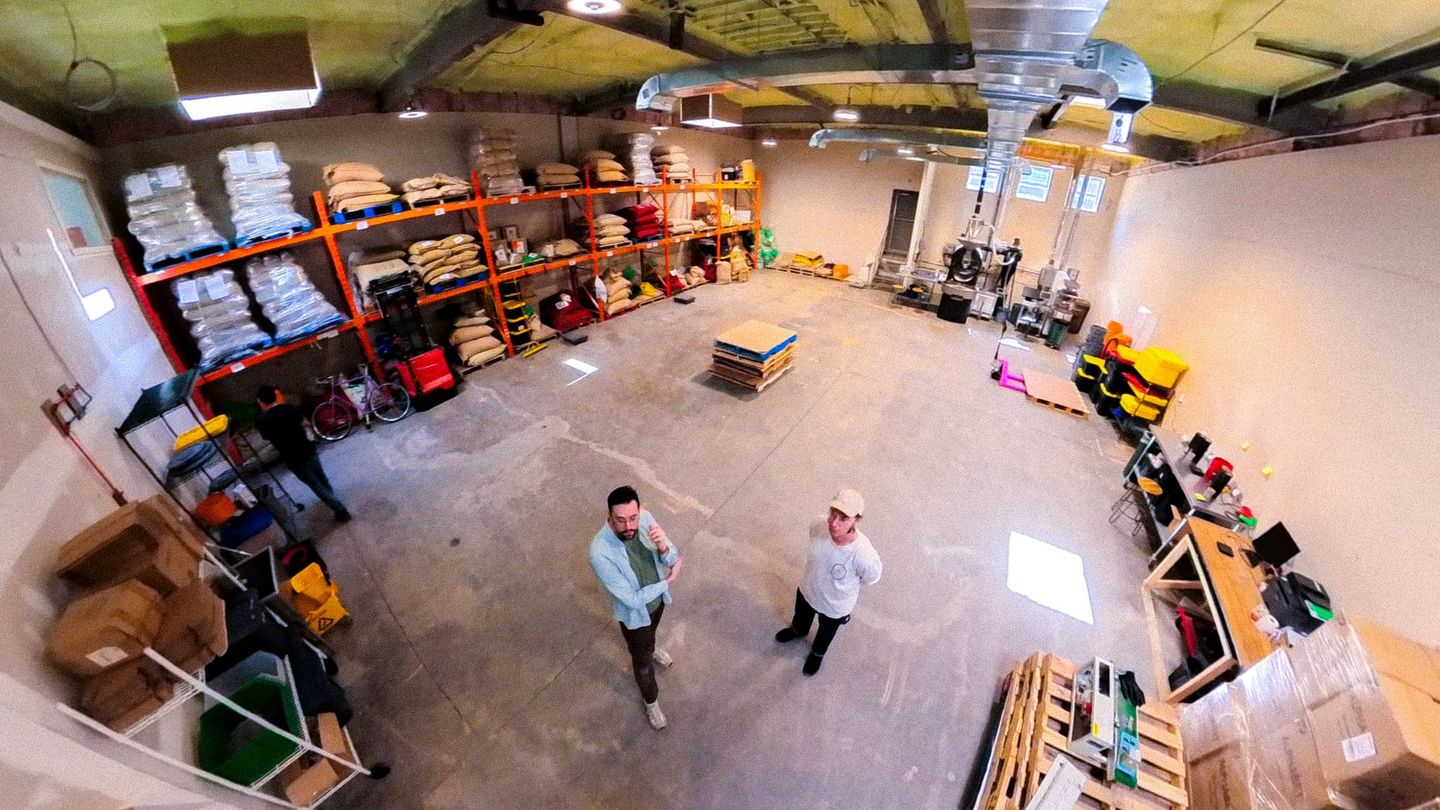
Along the border of the canal in Montreal there sit dozens of old factories no longer in use. The city, once a bastion of the labouring class, has long since transitioned into a service economy.
These empty brownstone buildings slowly turn decrepit after decades of neglect, and have since been turned into loft apartments that cost exorbitant amounts of money despite the nearest grocery store being kilometers away.
But in some of these old, collapsing buildings, magic is made.
Inside some, towering steel tanks, legacies of the pandemic, brew beer that combine unique flavours and strange concoctions birthed in the periphery of an artisan’s imagination.
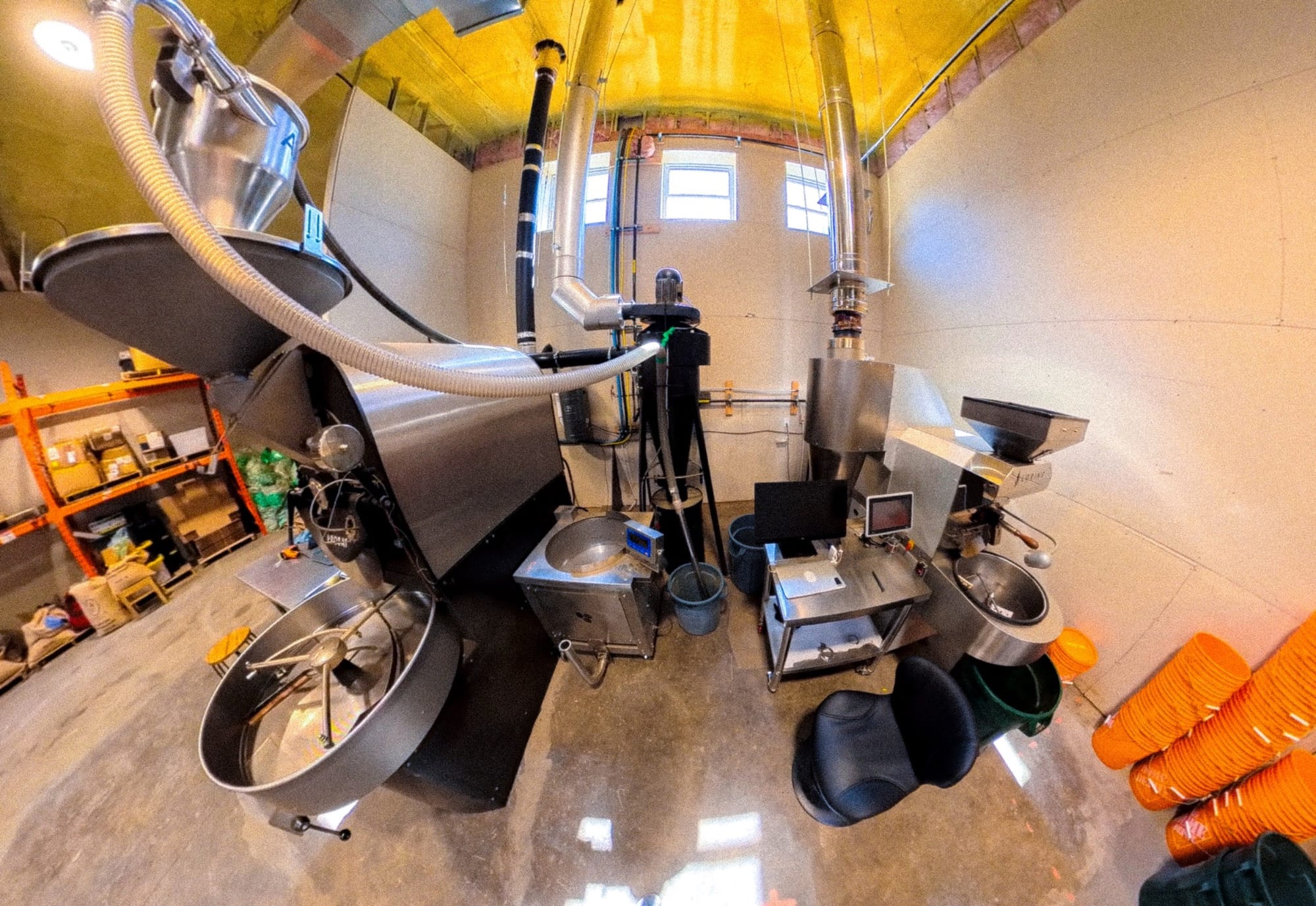
In others, there stand tall roasters that cook sweet cherry seeds into what we refer to as coffee beans that possess the most popular liquid in Canada.
The most popular drink in Canada?
Apparently Canadians drink more coffee than water. We remain one of the largest coffee consuming nations on earth. Strange, considering that most countries that remain in the commonwealth overwhelmingly prefer tea.
10,440,000,000 kg (ten billion, four hundred and forty million kg) of coffee is produced each year. 300 million kg of coffee are consumed by Canadians every single year. Coffee prices have been skyrocketing these past years, as droughts ravage coffee producing nations and climate change brings major consequences to warm climate countries. The price of coffee saw a 31 per cent increase in 2025. This, like so many other things, has deeply cut into the daily spending of most Canadians.
Like gas, coffee is so ubiquitous in our culture that when the cost rises, we think first about our pocketbooks and not of the geopolitical problems that are causing the price rises to occur. For Semilla and its founder, Brendan Adams, politics are the entire game.