A Landmark Recommendation to secure democracy in Canada
The ethics committee has recommended that Prime Ministers should have to sell assets and divest from tax havens. But they recommended far more than just that.

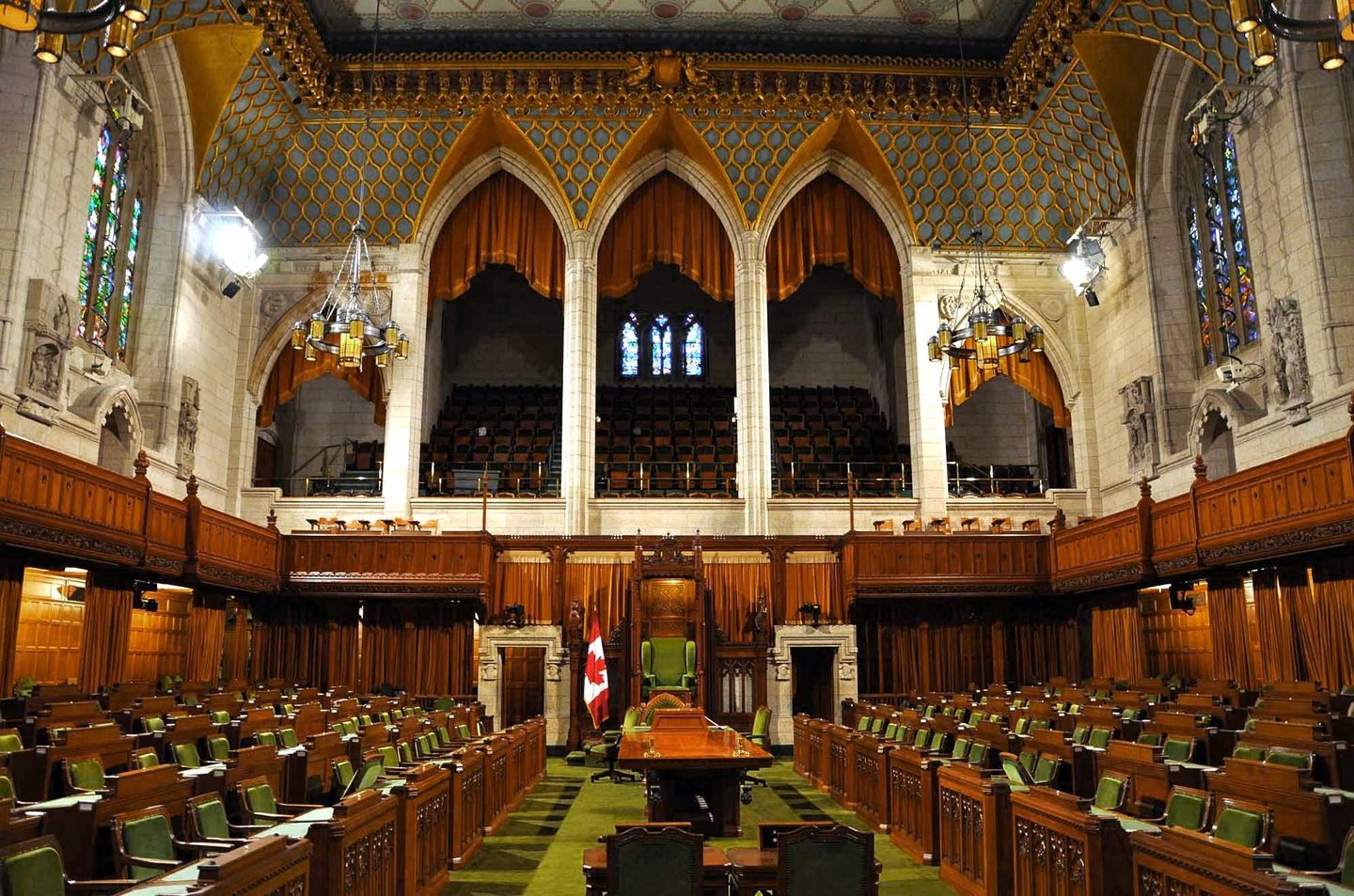
In a landmark recommendation, a study from a committee in the house of commons has recommended that Prime Ministers should have to sell their assets and divest from tax havens. This is the lede, and the headline. But there are a number of other suggestions in the report that would radically strengthen Canada’s Federal government’s ethics rules.
At a time when most governments across the globe, including our own, are seeing democratic backsliding, this recommendation could spell a great strengthening of our democracy.
This is the reason that On the Trail exists. This is the reason that we started our work. Today we pop a bottle of champagne, because what we’ve been fighting for is being heard.
What we are doing is working. And this is an important step towards a much better accountability mechanism in government.
What is a committee recommendation?
First, it is important to note that this is a committee “recommendation”. So we mustn’t celebrate too much (although a bit is fine!) A committee in the house of commons makes non-binding recommendations, and the house is not legally required to follow the recommendations. This, however, will be hard to avoid for the governing party.
"The committee's report should be applauded and acted on by the Liberal majority government as it calls for most of the long-overdue changes needed to close huge loopholes in the ethics law, and to make the ethics commissioner more independent and enforcement more transparent, and to ensure violators of the law are penalized,” Duff Conacher, founder of Democracy Watch, said. "If the committee's recommendations are enacted, Prime Minister Mark Carney would essentially be required to sell his investments in Brookfield and other companies that cause a serious, ongoing financial conflicts of interest for him, and several Cabinet ministers and top government officials would also have to sell their investments in businesses that cause conflicts, which would be important steps forward to reduce their many serious conflicts."
Conacher explained that the Liberals can do anything they want with their newfound majority, but it will be politically costly if they don’t do anything about Carney’s blatant conflicts of interest. If the government doesn’t implement these recommendations, this will turn into a ballot box question, and cost the Liberals many seats, with people like Avi Lewis on Carney’s left pushing for a more transparent, accountable government, and Poilievre on his right who will use this as a major attacking point.
"If the Liberals use their majority to bury the ethics committee's report, they will say loud and clear to voters that they are fine with Prime Minister Carney and many Cabinet ministers and top government officials having unethical financial conflicts of interest,” Conacher said. He specified that these conflicts of interest “ corrupt and taint many of their decisions on important issues and problems, and that they are fine with secretive, ineffective enforcement of one of the key laws that protects Canada's democracy."
The reason this recommendation was able to go through is because the committee had been made up of a multilateral group, and had the Liberals been able to install their majority two weeks ago, this recommendation wouldn’t have happened.