The BC election was a bloodbath (and why I'm not that worried.)
Last night the left lost in a brutal election

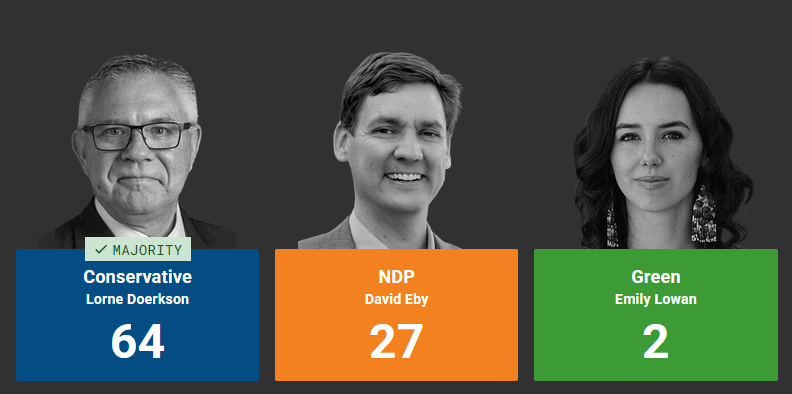
Today, many west coasters are waking up to a conservative majority government that they didn't expect to deal with for at least another two years. David Eby, the former leader of the NDP, called a snap election with two years left in his majority mandate, despite his widespread unpopularity. The gamble was that the Conservatives would remain even less popular than he himself was– a gamble that would have likely worked had he called the snap election three days before. The previous Conservative leader had proven to be completely dysfunctional, and unpopular with the electorate, but resigned two days before Eby called the snap election. Eby missed his window to make his political move.
The election went poorly for Eby. No one could let go of the fact that he called a snap election while having a majority, and the voters punished him for it. It was the final move of a man who had become mired in cynicism and abandoned the good governance of his party. In the final years of the NDP government, they swung right, becoming much more similar to the federal Liberals than the left wing NDP who had been elected in 2017.
In fact, the NDP had been an incredibly strong governing party for most of its time in power. The first province in Canada to mandate employer paid sick leave, they continuously pushed the minimum wage higher to protect low wage workers, they reformed how health care was paid, putting the burden on employers not labourers, and they introduced DRIPA into the provincial legislation. They did this while supporting minorities, while fighting for rights, introducing innovative policies to fight drug addictions, and while being the face of the left for much of Canada. But most of that was under their previous leader, John Horgan.
Eby moved right, and abandoned much of the left wing base that supported the NDP for so long. He talked about law and order, abandoned the consumer carbon tax, recriminalized drug possession, introduced involuntary forced mental health care, and made the central position of the NDP to be about fossil fuel production.
The NDP didn't have a perfect tenure under Horgan, but when the party changed hands it was a demonstrable shift away from the NDP of the previous half decade. It slowly sapped away their support, until they won a one seat majority in 2024. Last night, the past four years of mediocre governance caught up to them and they walked away with a measly 27 seats to the Conservatives' 64.
The left is having a meltdown online, as is fairly standard whenever they lose. And we lose a lot!
But personally, I'm not worried.
The Law of democracy
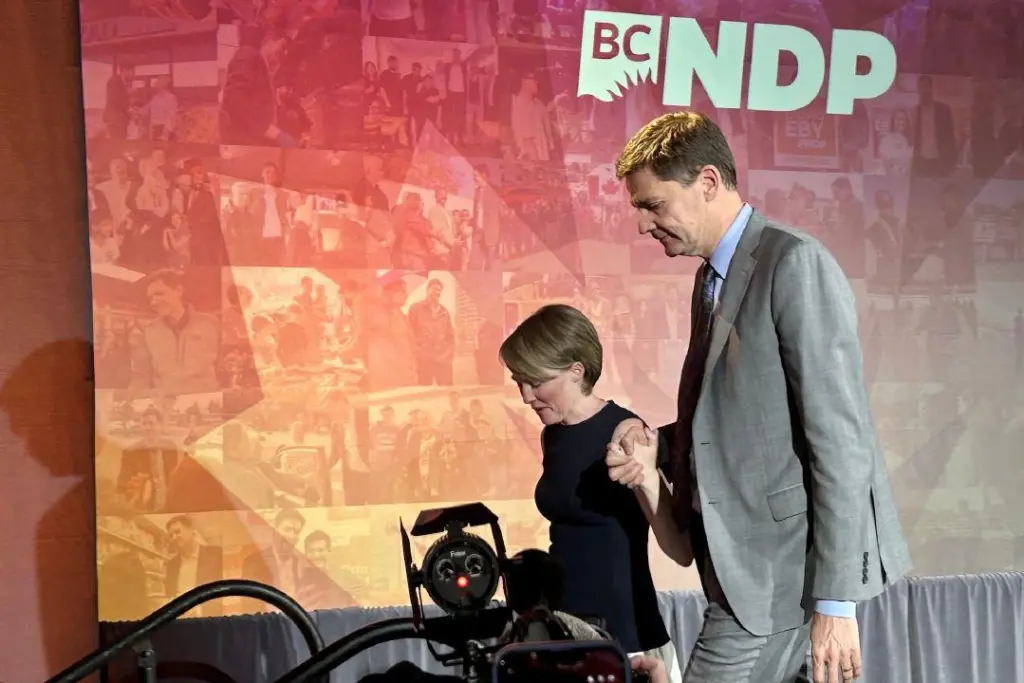
One of the main features of democracy is losing. In fact, my friend and colleague, Dónal Gill, political scientist, would say that losing is the most important part of democracy. He told me that poli sci literature calls this "loser's consent," where "all players accept that the rules of the political game must include conceding when your side loses and accepting your opponent’s win as legitimate." The only way that democracy works is because people accept their losses. Gill argues that the most important breaking point in the United States was when Trump refused to concede the election in 2020. In democracy, the loser is perhaps more important than the winner.
But it's not just that losing sustains democracy, it's that parties become long in the tooth, and uninspired. After a certain length of time in government, it's rare to see a governing party remain at the top of their game. The BC NDP is a perfect example of what happens when a party stays in power too long.
There is a certain degree of cynicism in all politics– no matter what party we're looking at. Every party makes backroom deals. Every party compromises on their values. Some countries are better than Canada at this, because they have a more representative electoral system and parties have to work together and can stay truer to their values, but governing in democracies is a game of working together.
The BC NDP under David Eby became cynical. They became the exact image of what they opposed. The same happened to Trudeau at the end. Trudeau spent his career talking about "sunny ways" and campaigning positively. In 2021, that was out the window. They were throwing mud at their oponents. The NDP lost because they stopped serving their constituents, it's as plain as that.
But I'm quite earnestly not worried about this new government. I tend to think that this could be a good thing long term. Without this loss, the left would be stuck spinning its wheels and continuing to support the status quo. The NDP needed to lose, because they'd already lost themselves. It's hard to accept this, especially considering that there are legitimate fears with this government.
Some people are saying that this will lead to anti-trans laws. I'm not convinced of that, since there's no mandate to do this. Doerkson avoided any identitarian issues other than his desire to repeal the United Nations Declaration of the Rights of Indigenous Peoples (DRIPA) law. This means that if he attacks trans people, it's outside of his mandate, and could wade the party back into the identitarian stuff that was killing them under Findlay.
Meanwhile, people have expressed fear for the health care system. Again, not a concern for me since Doerkson has said that the conservatives will support 100% public health care.
Fossil fuel policy is identical to what it was under the NDP– his promise to triple LNG production is quite literally continuing what the NDP was already doing.
Democracy is much more than a vote
People often walk away from new bills being passed and new governments being elected with this attitude that it's all over. This is because we have been taught that democracy is about voting once every four years. It isn't. Voting is great, and I love voting. It's also one of the smallest parts of democracy, especially in Canada.
Democracy allows for people like me– openly left wing journalists to stand up for democracy. I'll be holding the government to account. It's a good time to support people like me, because I will be endlessley scrutinizing this government, the same way I scrutinized the NDP before. And I'm just one of many writers and voices who will be standing up to tyranny, as I always have. Supporting voices that are in the fight will be tantamount.
The first thing that makes me less concerned is that the conservatives just came out of more than two years of fundamental dysfunction. They were one of the least organized, least united parties in Canada's recent history. This is the same party. The leader might have changed, but the internal party chaos might not have. It will be a hard party to whip.
Whipping is the parliamentary process of making sure the whole party votes in tandem. With a large caucus like this, it will be hard to control everyone. Doerkson is a centrist, and clearly doesn't have the taste for far right politics. But in his party, extremists have been elected. The question is how will he manage them? Can he stop them from being media hungry? There are going to be caucus problems, and the fastest way to destroy your own support is through caucus infighting.
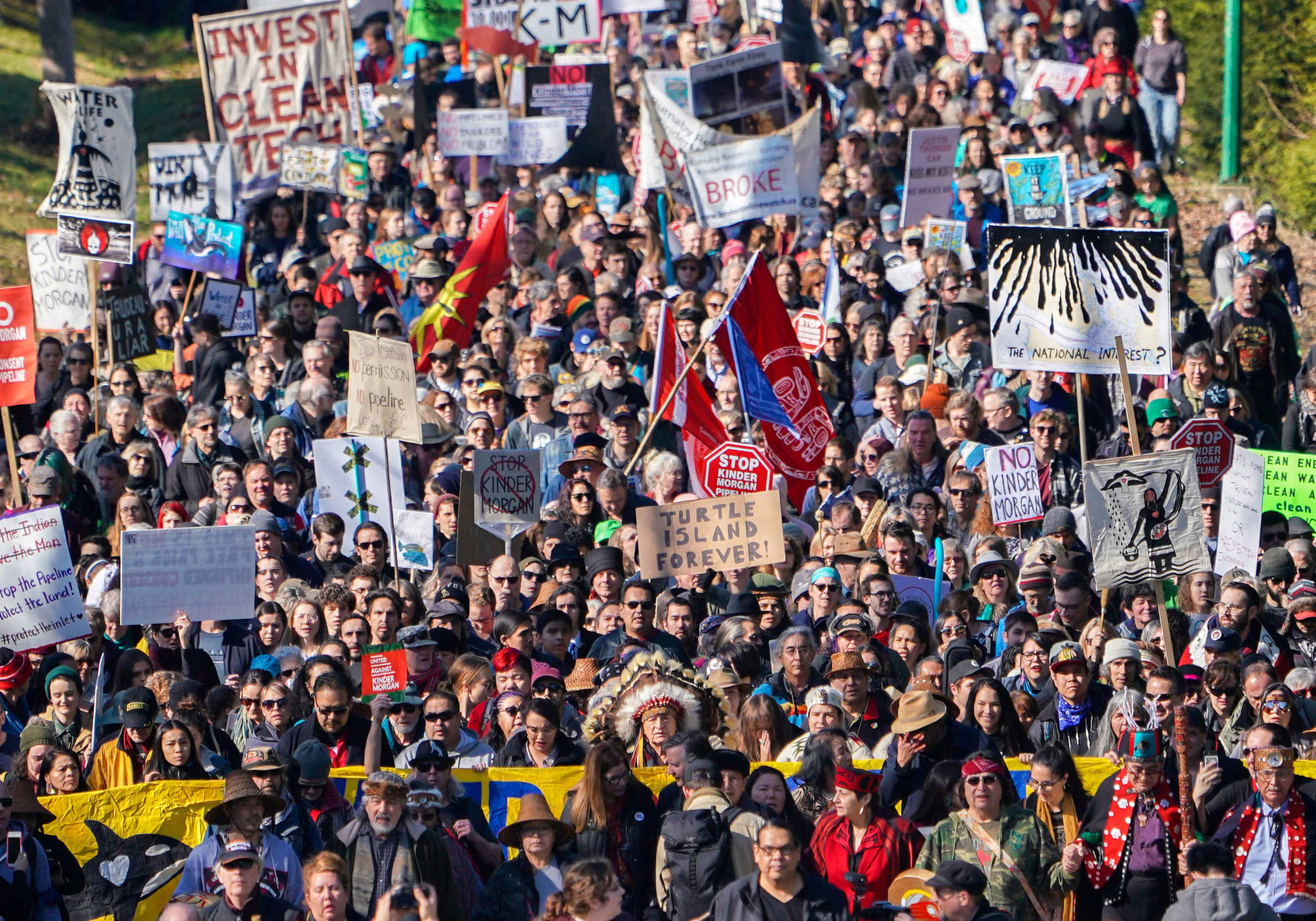
Meanwhile, the Indigenous leadership in BC is insanely strong. The indigenous in BC have been the most powerful and important voice for Canada over the several decades. Look at the protests against the trans-mountain pipeline. Look at the fairy creek resistance. The other problem facing Doerkson is that if he repeals DRIPA, the indigenous will turn against him– they already promised. Even if DRIPA is repealed, they're still going to need to work with the indigenous on any major projects.
The other major militant group in Canada? The LGBTQ community. Trust me, there aren't many people as motivated to push back against conservatism.
Then there are the organizing groups, like Dogwood and Greenpeace (both of whom I work with sometimes.) They'll be working endlessley to organize and fight.
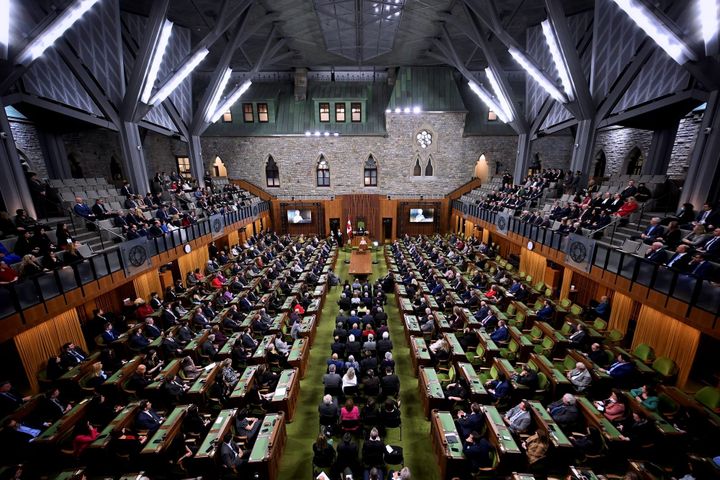
We also have opposition powers in parliament. The opposition can delay, filibuster, and force debates on bills. They can build democratic accountability, and stop bills by building popular movements. If the Conservatives try to pass a bill that's bad for the province, the opposition parties can delay it by up to six months sometimes. In the meantime, by working with democratic groups, they can force democratic accountability and kill bills. That's what happened in Quebec with the disasterous Quebec constitution. The left wing Quebec Solidaire delayed it so long that it died before the election.
Finally, we need to remember that the left wing dominated the municipal elections across the province. Not every city has a left wing leader, but many do– including Vancouver, with a left wing supermajority. Doerkson doesn't have the mandate to mess with municipal powers, and he will have a tough time working with these governments. Especially Pete Fry, the green party mayor of Vancouver.
Today people are panicking. That's normal. It hurts when your party loses. But we live in a robust country with a rich democracy. Voting is a small part of what really matters– today you need to call your friends and talk about your feelings. That's healthy, and we need to process loss and fear.
But tomorrow, pick up your markers, write a catchy slogan on a piece of cardboard, and hit the streets. Join a community group. Volunteer at a women's shelter. Organize in the LGBTQ community. Get into environmental activism.
People get hurt under bad governance. Our system has harmed many, but we've come a long way since confederation. There's been many scandals and many bad governments in 160 years of Canada. But a constant push towards a better tomorrow by organized labour, groups, and democratic power has led to everything good that we have now.
Today isn't a day to despair, it's a day to excercise democracy– and not just at the ballot box.


Join the conversation